
Genetic Clues Behind Cannabis Therapy: Why Personalized Medicine Matters
Introduction: Unlocking the Body’s Blueprint for Better Cannabis Care
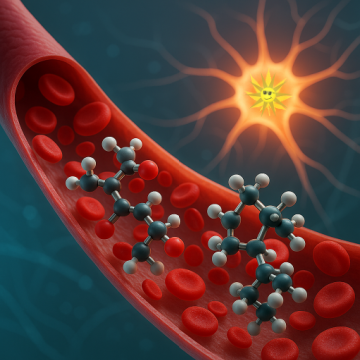 Medical cannabis is transforming pain care, but not every patient responds the same way. Why? A groundbreaking 2025 study offers compelling insight: our genes may help determine how cannabinoids are absorbed, processed, and ultimately how well they work. This isn’t just science for the sake of curiosity; it could change how we personalize cannabis-based treatments for chronic pain, inflammation, and neurological disorders.
Study Snapshot: COMT Variants and Cannabinoid Plasma Exposure
The preliminary study involved 58 Italian patients with chronic or neuropathic pain. Each was prescribed medical cannabis either as a decoction (tea) or through vaporized inhalation. Researchers measured plasma levels of major cannabinoids like Δ9-THC, CBD, and their metabolites, while also evaluating the impact of genetic polymorphisms in enzymes and transporters involved in cannabinoid metabolism.
Key findings revealed that individuals with specific genetic variants, especially the COMT 680 T>C mutation, had significantly different cannabinoid blood concentrations. Those carrying the C allele tended to show altered levels of Δ9-THC and related metabolites. This suggests that COMT activity, which affects dopamine breakdown and pain processing, could play a role in cannabis response.
Inflammation and Neurobiology: The IL-10 and BDNF Connection
This study also found notable differences in inflammatory and neurotrophic markers depending on how cannabis was consumed. Patients using decoctions showed significantly higher levels of IL-10, an anti-inflammatory cytokine, and BDNF (brain-derived neurotrophic factor), which plays a key role in neuron survival, regeneration, and pain modulation.
Higher BDNF levels have previously been linked to reduced risk of Alzheimer’s, neurodegenerative decline, and improved resilience to chronic stress. Cannabis’ role in increasing BDNF points to potential long-term neuroprotective benefits beyond symptom control.
What This Means for Medical Cannabis Users
This research shows why a “one strain fits all” model of cannabis therapy is outdated. Personalized cannabis care, informed by genetic testing and biomarker analysis, may be the future of truly effective treatment plans.
- If a patient carries the COMT 680 T>C variant, they may need adjusted cannabinoid doses to reach therapeutic levels.
- If their inflammation markers or neurotrophic factors are low, cannabis formulations rich in both THC and CBD could offer dual benefits: pain relief and improved neurological support.
- The route of administration matters too. Decoction may support broader systemic changes, while vaporization may provide faster symptomatic relief.
Wares of Wisdom
We often hear that cannabis works differently for everyone; now we know why. This study provides scientific grounding for what many patients and caregivers already suspected: our biology holds the key. With genetic insights, cannabinoid blood profiling, and biomarker tracking, we can fine-tune cannabis care to support healing more safely and effectively.
Personalized medicine isn’t just for pharma giants. It belongs in the hands of patients, herbalists, and cannabis clinicians who are ready to use every tool available to improve lives. From genes to green, this is what the future of natural medicine looks like.

Revolutionary Research on the ECS, cannabinoids and cannabis-based medicine for healthcare from a trusted nonprofit.
